NYT - The Mostly Persuasive Logic Behind the New Ban on Noncompetes

The Federal Trade Commission used two very different rationales to get to its near-total ban this week on noncompete agreements. One of them is a no-brainer. The other is provocative but not completely obvious. I guess I’d call it a brainer.

As you may have read, the F.T.C. commissioners on Tuesday voted3 to 2 on a final rule against noncompete clauses in employment contracts, which limit the ability of an employee to quit and immediately go work for a rival. The commission determined that they are an “unfair method of competition.” The rule takes effect 120 days after its publication in the Federal Register, unless a court blocks it before then.


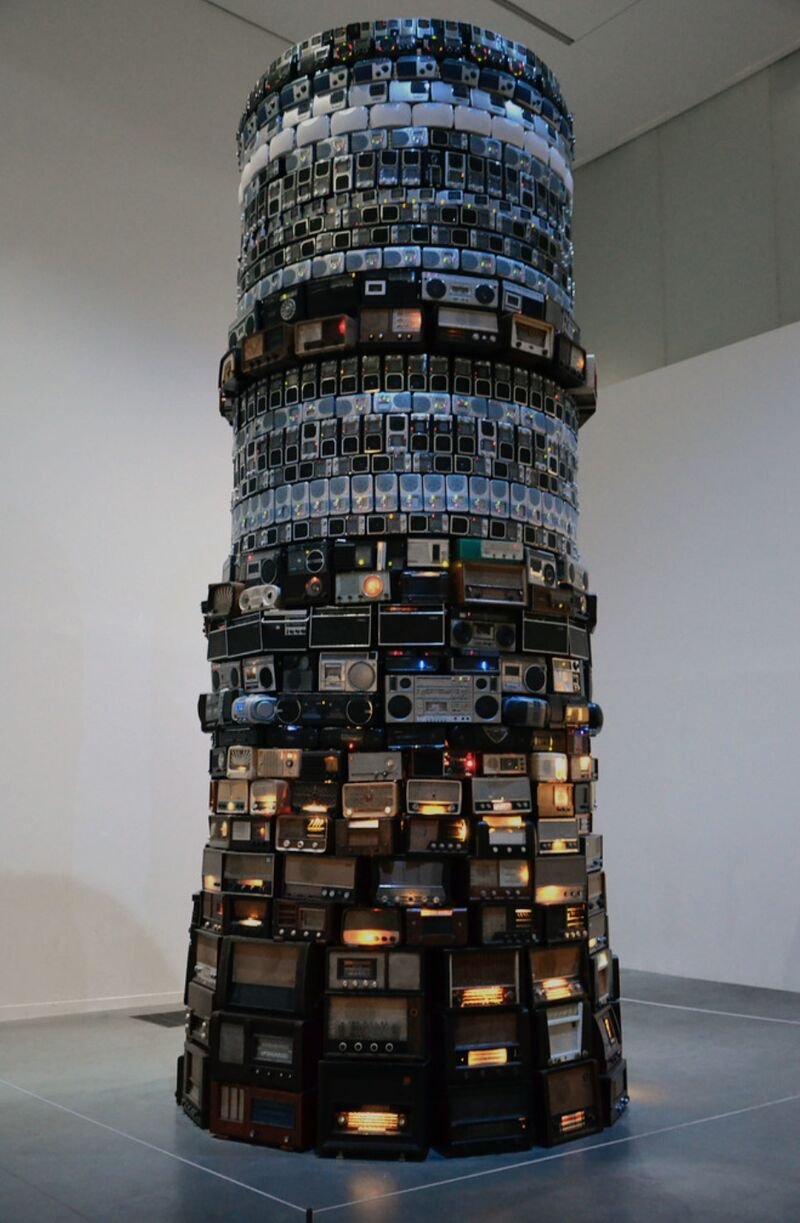
Cildo Meireles, Babel 2001

Babel 2001 is a large-scale sculptural installation that takes the form of a circular tower made from hundreds of second-hand analogue radios that the artist has stacked in layers. The radios are tuned to a multitude of different stations and are adjusted to the minimum volume at which they are audible. Nevertheless, they compete with each other and create a cacophony of low, continuous sound, resulting in inaccessible information, voices or music.

The Atlantic - One Reason Hybrid Work Makes Employees Miserable

“The problem with overstuffed to-do lists isn’t just the total time required to execute their contents, but the fact that each new commitment generates its own ongoing administrative demands—emails, chats, check-in calls, “quick” meetings. That’s the overhead tax. Before long, knowledge workers find themselves spending the bulk of their time talking about work instead of actually doing it.”